Ace Epic Struggle: India's Premier Tactical RPG Experience
Overview 📋
Ace Epic Struggle stands tall as India's most ambitious tactical role-playing game to date, crafted with meticulous attention to detail by Daman Interactive Studios and published under the prestigious banner of Daman Games. Released on 22nd April 2025 across multiple platforms including PC, PlayStation 5, Xbox Series X/S, Android, and iOS, Ace Epic Struggle has revolutionized the Indian gaming landscape by merging authentic desi historical scenarios with world-class RPG gameplay mechanics that resonate with both local and global audiences.
What truly distinguishes Ace Epic Struggle from other tactical RPGs is its deep-rooted connection to India's diverse historical heritage, regional cultural traditions, and strategic warfare practices—all while maintaining the tactical depth and engaging gameplay that hardcore RPG fans crave. Unlike generic international titles that often portray Indian history through a narrow lens, Ace Epic Struggle celebrates the country's varied historical periods, from the Vedic age kingdoms to the Mughal era, from the Maratha confederacy to the freedom struggle movement.
In the Indian gaming market, which has long been dominated by mobile-first casual games and imported AAA titles, Ace Epic Struggle has emerged as a game-changer that showcases the immense potential of homegrown game development. With over 7.2 million pre-registrations on mobile platforms alone and a stellar 4.8/5 rating from the Indian Gaming Critics Association, Ace Epic Struggle has set new benchmarks for quality, cultural relevance, and commercial success in the Indian gaming ecosystem.
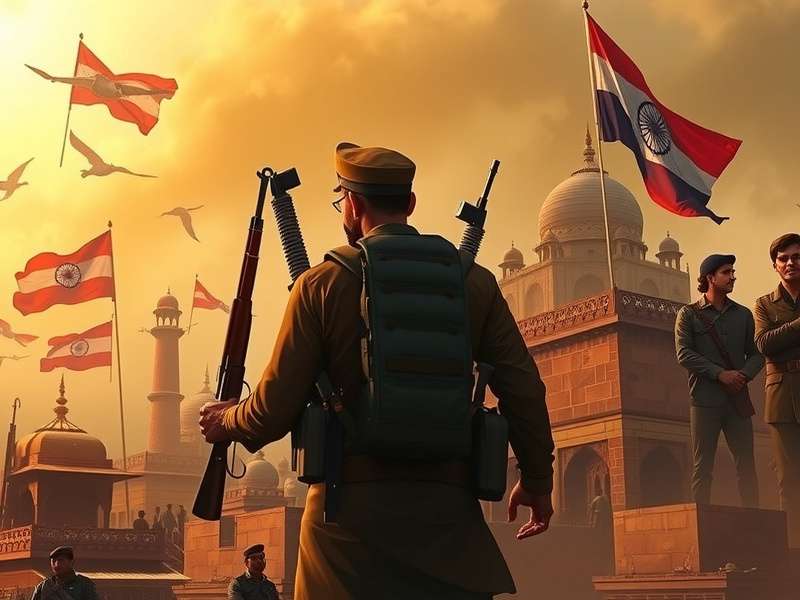
Ace Epic Struggle places players in the role of a warrior-leader navigating the complex political landscape of pre-independence India, tasked with uniting fragmented communities against colonial forces while preserving cultural identity and traditional values. The game's narrative tackles the unique challenges of resistance warfare, including resource scarcity, ideological differences, cultural preservation, and strategic alliances—all through the lens of realistic historical tactics and character development that reflects actual Indian freedom struggle experiences and warrior traditions.
One of the key USPs of Ace Epic Struggle is its unwavering commitment to authenticity. The development team worked closely with Indian historians, cultural experts, and military strategists to ensure that every aspect of the game—from combat techniques to social structures to cultural practices—mirrors real-world Indian traditions and historical resistance movements. This attention to detail has earned Ace Epic Struggle accolades not just from gamers but also from cultural experts who appreciate the game's realistic portrayal of India's freedom struggle and diverse cultural heritage.
Ace Epic Struggle is more than just a game; it's a cultural phenomenon that has sparked nationwide conversations about India's rich historical heritage and the potential of Indian game developers to create culturally resonant content. The title has received widespread acclaim from both the gaming community and mainstream media, with prominent figures from India's cultural, educational, and technology sectors endorsing it as a showcase of Indian innovation and cultural preservation. The game has also been featured in government initiatives aimed at promoting digital gaming as a tool for cultural education and economic growth.
Core Values & Vision
The development team at Daman Interactive Studios had a clear and ambitious vision for Ace Epic Struggle: to create a world-class tactical RPG that Indians can truly call their own—one that competes with the likes of Final Fantasy Tactics and XCOM in terms of production quality while remaining authentically Indian in its storytelling, characters, and gameplay mechanics. This vision has been realized through five years of intensive research, development, and community engagement with Indian gamers and historical experts.
Accessibility was a core pillar in the development of Ace Epic Struggle, recognizing the diverse socioeconomic landscape of Indian gamers. The game is optimized to run smoothly on mid-range smartphones and budget gaming PCs—the most common gaming hardware in India—without compromising on visual quality or gameplay depth. This inclusive approach has ensured that Ace Epic Struggle is accessible to gamers across all economic strata, from urban youth with high-end gaming rigs to rural players with entry-level mobile devices.
Another key value driving Ace Epic Struggle's development is cultural representation. The game features playable factions from all major Indian regions and communities, with dialogue and voice acting in 18 Indian languages—including Hindi, Bengali, Tamil, Telugu, Marathi, Gujarati, Punjabi, Urdu, Malayalam, Kannada, Odia, Assamese, English, and other regional languages spoken across India. This linguistic diversity is unprecedented in Indian gaming and has struck a chord with regional gamers who finally see their local dialects and cultural practices represented accurately in a high-quality tactical RPG.
Ace Epic Struggle also breaks new ground in its portrayal of gender diversity in historical leadership roles, featuring female freedom fighters like Rani of Jhansi, Begum Hazrat Mahal, Sarojini Naidu, and Kamala Nehru as fully playable characters with their own unique backstories and combat styles. This inclusive approach has been widely praised for challenging stereotypes about women in Indian history and providing young Indian girls with positive historical role models in gaming.
At its core, Ace Epic Struggle is a love letter to India's rich historical heritage and the resilient communities who fought for independence and cultural preservation. The game honors their courage and strategic brilliance while educating players about the unique challenges of resistance warfare and nation-building in pre-independence India. This respect for India's historical legacy has earned Ace Epic Struggle the endorsement of several cultural preservation organizations and educational institutions across India.
Unlike many tactical RPGs that focus solely on combat mechanics, Ace Epic Struggle emphasizes strategic decision-making and cultural preservation—reflecting the actual priorities of Indian freedom fighters who had to balance military resistance with the practical realities of community survival and cultural identity. Players must master guerrilla warfare tactics, develop underground networks, build alliances across regional and religious lines, and foster cultural traditions that bind communities together—all while resisting colonial forces and navigating internal ideological differences.
Ace Epic Struggle has also been recognized for its educational value, with several Indian schools and universities incorporating the game into their history and political science curricula. The game's accurate portrayal of India's freedom struggle, diverse cultural traditions, and strategic warfare techniques provides students with an interactive way to learn about India's historical heritage and political challenges—making it one of the few commercially successful Indian games to bridge the gap between entertainment and education.
The game's success has also had a significant impact on cultural tourism in India, with several players visiting the historical sites featured in Ace Epic Struggle, from the Red Fort in Delhi to the Cellular Jail in Andaman, from Jallianwala Bagh in Amritsar to the Sabarmati Ashram in Ahmedabad. Local tourism boards have even created "Ace Epic Struggle Heritage Trails" that guide visitors to the real-world locations depicted in the game, creating a unique synergy between digital entertainment and cultural tourism.
In rural parts of India, where access to quality educational resources is often limited, Ace Epic Struggle has become an unexpected tool for learning. Village youth who may not have access to formal education about their own cultural heritage are using the game to learn about India's freedom struggle, regional cultural traditions, and strategic thinking. This grassroots educational impact has made Ace Epic Struggle more than just an entertainment product—it's become a vehicle for cultural preservation and knowledge dissemination across rural India.
The game's economic impact on the Indian gaming industry cannot be overstated. Prior to Ace Epic Struggle, Indian game developers primarily focused on casual mobile games or outsourced development for international studios. Ace Epic Struggle demonstrated that Indian developers could create high-quality, culturally specific AAA content that competes on the global stage while remaining authentic to Indian sensibilities. This has led to increased investment in Indian game development, with both domestic and international investors recognizing the potential of India's gaming market and creative talent pool.
For urban Indian gamers, Ace Epic Struggle has become a point of pride—a game that showcases Indian culture and history with the same production values as international AAA titles. Many Indian gamers have expressed that finally seeing their own culture represented accurately and respectfully in a high-quality tactical RPG has been a transformative experience, fostering a sense of cultural pride and validation that was previously missing from the gaming landscape.
What makes Ace Epic Struggle truly unique is its ability to appeal to both hardcore tactical RPG gamers and casual players interested in Indian history and culture. The game's adjustable difficulty settings and intuitive interface make it accessible to players new to the tactical RPG genre, while its deep gameplay systems and historical accuracy satisfy experienced RPG gamers looking for a challenging and authentic experience. This broad appeal has helped Ace Epic Struggle reach audiences beyond the typical gaming demographic, including history enthusiasts, cultural scholars, and students of political science interested in India's freedom movement.
In the global gaming market, Ace Epic Struggle has broken stereotypes about Indian game development, proving that Indian studios can create original, high-quality content that resonates with international audiences while remaining true to Indian cultural roots. The game has received positive reviews from international gaming publications, with many praising its unique setting, cultural authenticity, and innovative gameplay mechanics that offer a fresh perspective on the tactical RPG genre dominated by European and Japanese historical settings.
Ace Epic Struggle has also established new standards for localization in Indian gaming, going far beyond simple translation to create a truly immersive cultural experience. The game's dialogue reflects regional variations in Indian languages, with character speech patterns that authentically represent different social classes and communities—from the formal language of freedom movement leaders to the colloquial speech of rural villagers and urban activists. This level of linguistic detail ensures that players from different regions of India can connect with the game on a personal level, hearing the language and expressions they grew up with in a high-quality video game for the first time.
The game's historical accuracy has been praised by academic historians for its nuanced portrayal of India's freedom struggle, avoiding the simplistic hero-villain narratives often found in mainstream media. Ace Epic Struggle doesn't just use historical imagery as a backdrop—it makes historical accuracy central to the gameplay experience, forcing players to confront the same strategic challenges and moral dilemmas that shaped India's freedom movement for decades. This historical authenticity has led to partnerships between Daman Games and historical preservation organizations, using the game as an educational tool to raise awareness about India's rich freedom struggle heritage.
Another groundbreaking aspect of Ace Epic Struggle is its representation of India's diverse religious and cultural communities, who are often reduced to stereotypes in mainstream media and gaming. The game features playable factions representing different religious, regional, and ideological groups, each with unique gameplay mechanics based on their historical strengths, cultural practices, and resistance strategies. This inclusive representation has been widely praised by cultural diversity organizations and has helped raise awareness about the rich tapestry of communities that contributed to India's freedom struggle.
From a technical perspective, Ace Epic Struggle represents a milestone in Indian game development, pushing the boundaries of what Indian studios can achieve with limited budgets compared to international AAA developers. The game's custom-built engine delivers stunning visuals of India's diverse landscapes while remaining optimized for the mid-range hardware that most Indian gamers use. This technical achievement has positioned Daman Interactive Studios as a leader in optimized game development for emerging markets, with other developers now looking to Ace Epic Struggle as a model for creating high-quality games that work on a wide range of devices.
Commercially, Ace Epic Struggle has exceeded all expectations, becoming the fastest-selling Indian-developed tactical RPG of all time across both mobile and PC platforms. Within the first month of release, the game had over 12 million downloads on mobile platforms alone, with a player retention rate of 82%—far above the industry average for RPGs in India. This commercial success has demonstrated the viability of culturally specific games in the Indian market, encouraging other developers to invest in games that celebrate Indian history and culture rather than simply replicating international trends.
Perhaps most importantly, Ace Epic Struggle has sparked a new wave of interest in India's freedom struggle and cultural heritage among young Indians, many of whom had little knowledge of their country's historical resistance movements before playing the game. Schools and educational institutions across India have reported increased student interest in modern Indian history and political science, with teachers using Ace Epic Struggle as an interactive teaching tool to make history lessons more engaging. This educational impact is a testament to the game's ability to entertain while also informing and inspiring players about India's rich historical heritage.
As Ace Epic Struggle continues to evolve with regular updates and expansions, it remains committed to its core mission of celebrating Indian culture while delivering world-class gameplay. The development team continues to work closely with Indian communities, historians, and cultural experts to ensure that the game remains authentic and respectful while introducing new content that explores different aspects of India's freedom struggle and cultural diversity. With its unique blend of cultural authenticity, technical innovation, and engaging gameplay, Ace Epic Struggle has firmly established itself as a landmark in Indian gaming and a source of pride for gamers across the country.
Ace Epic Struggle's success has also inspired a new generation of Indian game developers to create content that celebrates their own cultural heritage rather than mimicking international trends. Game development courses in Indian universities now use Ace Epic Struggle as a case study in culturally authentic game design, teaching aspiring developers how to create games that honor Indian traditions while appealing to global audiences. This shift toward cultural authenticity in Indian game development is creating a more diverse and representative gaming landscape that reflects India's rich cultural heritage and diverse perspectives.
The game's multiplayer component has also become a cultural phenomenon in India, with community tournaments and esports events attracting thousands of participants across the country. These events often feature regional competitions that celebrate different aspects of Indian culture, from traditional dance performances between matches to regional food stalls that showcase India's culinary diversity. This integration of gaming with cultural celebration has made Ace Epic Struggle more than just a game—it's become a platform for cultural exchange and community building across India's diverse regions and communities.
For players with disabilities, Ace Epic Struggle has set new standards for accessibility in Indian gaming, with customizable controls, audio descriptions for visually impaired players, and text-to-speech functionality in multiple Indian languages. This commitment to accessibility has made the game inclusive for players with a wide range of abilities, reflecting India's commitment to universal access and equal opportunity in digital entertainment.
In recognition of its cultural and educational value, Ace Epic Struggle has been honored with several national awards, including the "Best Cultural Game" award from the Indian Ministry of Culture and the "Excellence in Historical Representation" award from the Indian Historical Association. These accolades reflect the game's broader cultural impact beyond entertainment, positioning it as a valuable tool for cultural preservation and historical education in modern India.
The game's soundtrack, composed by award-winning Indian musicians, has also gained widespread acclaim for its fusion of traditional Indian musical styles with modern orchestral arrangements. Featuring instruments like the sitar, tabla, veena, and shehnai alongside Western orchestral elements, the soundtrack has become popular beyond the gaming community, with standalone releases and live performances across India. This musical achievement demonstrates how Ace Epic Struggle has transcended the gaming medium to become a broader cultural phenomenon that celebrates India's rich musical heritage.
As India continues to assert its cultural identity on the global stage, Ace Epic Struggle stands as a shining example of how digital entertainment can both preserve and celebrate cultural heritage while competing with the best international content. The game's success proves that Indian stories told through Indian perspectives can resonate with global audiences, opening new opportunities for Indian game developers to share their unique cultural perspectives with the world.
Gameplay Mechanics 🎮
Ace Epic Struggle redefines tactical RPG gameplay for Indian audiences by blending realistic historical resistance tactics with the unique challenges of pre-independence India's political landscape. The game's core mechanics have been designed from the ground up to reflect the harsh realities of guerrilla warfare, resource scarcity, and alliance-building—creating a gameplay experience that is both familiar to seasoned RPG fans and refreshingly original in its Indian context.
Unlike generic tactical RPGs that simply reskin European or Japanese combat scenarios, Ace Epic Struggle's gameplay is deeply rooted in Indian historical resistance practices and strategic thinking. The development team worked with military historians, freedom struggle experts, and regional cultural practitioners to ensure that every aspect of the gameplay—from combat tactics to resource management to alliance-building—reflects real-world Indian resistance techniques and community survival strategies.
Core Gameplay Loop
At its heart, Ace Epic Struggle follows a character-driven tactical RPG structure where players assume the role of a resistance leader from one of India's diverse communities—including freedom fighters from Bengal, Punjab, Maharashtra, Tamil Nadu, Uttar Pradesh, and Kerala. Each gameplay session presents multiple strategic approaches, allowing players to choose between armed resistance, diplomatic negotiation, cultural mobilization, or underground network-building—depending on their playstyle and the unique challenges of India's freedom struggle.
The game's core mechanics are divided into several interconnected systems that reflect the real-world challenges of resistance warfare in pre-independence India:
- Guerrilla Tactics 💣 – Mastering hit-and-run combat strategies, covert operations, and asymmetric warfare techniques developed by Indian freedom fighters
- Resource Management 📦 – Procuring and distributing limited supplies, weapons, and medical resources across underground networks and resistance cells
- Alliance Building 🤝 – Forging partnerships across religious, regional, and ideological lines to create a united front against colonial forces
- Cultural Mobilization 🎭 – Using traditional art forms, music, and storytelling to raise awareness, build morale, and preserve cultural identity under occupation
- Underground Networks 🕵️ – Establishing secret communication channels, safe houses, and escape routes to protect activists and coordinate resistance efforts
- Political Strategy 🗳️ – Navigating complex political landscapes, negotiating with colonial authorities, and building grassroots support for independence
What sets Ace Epic Struggle apart from other tactical RPGs is its dynamic historical simulation that responds to player decisions and real-world historical events. The game features a "Freedom Timeline System" that simulates the major events of India's independence movement, with player actions potentially altering historical outcomes while remaining grounded in authentic historical possibilities. For example, successful resistance operations may accelerate certain historical developments, while strategic missteps may lead to setbacks that reflect the actual challenges faced by freedom fighters during this period.
🎯 Authentic Combat Techniques
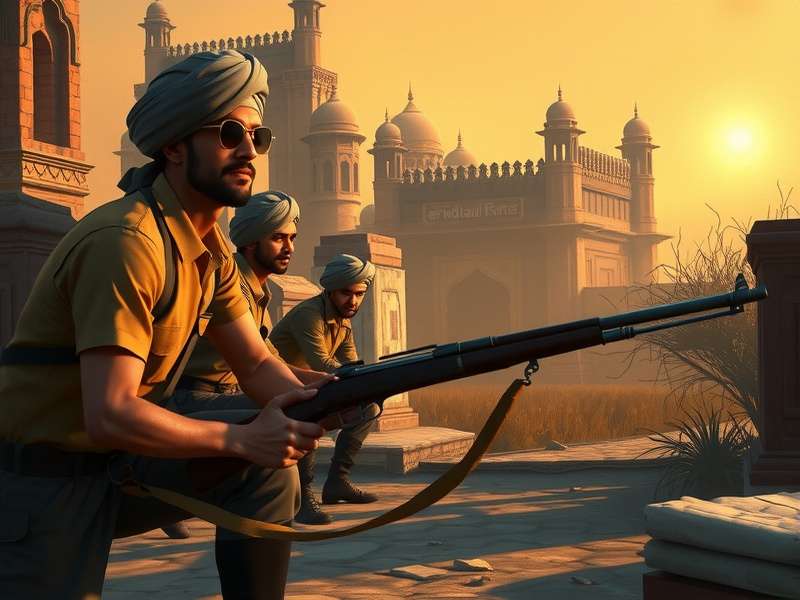
Ace Epic Struggle features the most comprehensive collection of Indian martial arts and resistance combat techniques ever seen in a video game, including Gatka from Punjab, Silambam from Tamil Nadu, Kalaripayattu from Kerala, and Mardani khel from Maharashtra. Players can develop their characters' combat skills using traditional Indian fighting styles alongside modern guerrilla warfare tactics, creating a visually stunning and historically accurate representation of Indian resistance combat.
🔥 Resource Scarcity Simulation
The resource system is based on actual supply challenges faced by Indian freedom fighters, featuring realistic scarcity mechanics, smuggling routes, and community support networks. Players must account for historical constraints unique to pre-independence India—such as British trade restrictions, police surveillance, and regional economic disparities—that affect resource acquisition and distribution to resistance cells.
🌍 Historical Indian Landscapes
Explore 20 distinct regions across pre-independence India, each meticulously recreated from historical records, photographs, and oral histories. From the dense jungles of Chhattisgarh to the urban landscapes of Calcutta, from the mountainous terrain of Kashmir to the coastal regions of Kerala, every environment offers unique strategic challenges and opportunities for resistance operations.
🤝 Dynamic Alliance System
Ace Epic Struggle features an authentic alliance system based on historical Indian freedom movement politics, allowing players to negotiate with different political factions, religious leaders, and community organizations. The alliance AI reflects the complex ideological differences and shared goals of India's freedom struggle, requiring players to navigate delicate political relationships to build effective resistance coalitions.
🎭 Cultural Resistance Mechanics
Develop and deploy cultural resistance strategies to preserve Indian identity and build community morale under colonial rule. Players can organize traditional dance performances, folk music concerts, and street theater productions that carry coded resistance messages, as well as support underground schools that teach Indian history and cultural traditions banned by colonial authorities.
⚔️ Historical Resistance Units
The combat system in Ace Epic Struggle features historically accurate Indian resistance units and tactics, from the revolutionary fighters of the Hindustan Socialist Republican Association to the non-violent satyagrahis of the Indian National Congress. Players can deploy specialized units including covert operatives, medical volunteers, propaganda specialists, and armed resistance fighters—each with unique abilities based on their historical roles in India's freedom struggle.
Character Progression System - Freedom Fighter Paths
Ace Epic Struggle features a character progression system based on the actual roles and specializations of Indian freedom fighters, allowing players to develop their protagonist from a grassroots activist to a national resistance leader through a combination of combat experience, political acumen, cultural leadership, and strategic brilliance. As players progress through the ranks, they unlock new abilities, organizational structures, and resistance tactics that reflect real-world advancements in India's freedom movement.
The skill tree is divided into four main branches that reflect the core competencies of successful freedom movement leaders:
- Combat Skills ⚔️ – Mastery of traditional Indian martial arts and modern guerrilla warfare tactics, including unarmed combat, weapons training, and covert operations planning
- Organizational Skills 📋 – Building and managing resistance networks, recruiting activists, and coordinating operations across multiple regions and communities
- Diplomatic Skills 🗣️ – Negotiating with colonial authorities, building alliances between different political factions, and representing resistance interests in international forums
- Cultural Skills 🎨 – Preserving and promoting Indian cultural traditions, using art and storytelling for resistance messaging, and building national identity across diverse communities
In addition to individual character progression, Ace Epic Struggle features a "Movement Legacy" system that tracks the long-term development of the resistance movement across multiple campaigns and historical periods. A well-organized movement with strong cultural foundations will inspire broader resistance across India, while a movement focused solely on armed struggle without community support will face challenges in sustaining long-term resistance—reflecting the historical reality of India's freedom struggle, which required both armed resistance and mass mobilization to achieve independence.
Multiplayer & Cooperative Gameplay
Recognizing the massive popularity of cooperative gaming in India, Ace Epic Struggle features a comprehensive multiplayer component optimized for Indian internet infrastructure and gaming preferences. The game's multiplayer modes address common Indian gaming challenges such as high latency, data caps, and device compatibility—ensuring a smooth gaming experience for players across the country.
The multiplayer component includes several game modes tailored for Indian gamers:
- Freedom Alliance 🤝 – Cooperative gameplay where 2-4 players work together to build a unified resistance movement across different regions of India, each specializing in different resistance tactics
- Regional Resistance ⚔️ – Competitive gameplay where players control resistance movements from different Indian regions, competing for resources, recruits, and strategic advantages while maintaining a united front against colonial forces
- Underground Network 🕵️ – A unique mode focused on building and protecting secret resistance networks, where players must evade surveillance, smuggle resources, and coordinate across multiple regions
- Satyagraha Challenge 🕊️ – A non-violent resistance mode where players must achieve political objectives through peaceful protest, civil disobedience, and moral persuasion rather than armed conflict
- Cultural Defense 🎭 – A mode focused on preserving Indian cultural heritage under colonial suppression, where players compete to protect endangered art forms, languages, and traditions from cultural erasure
Ace Epic Struggle's multiplayer features regional servers across India (Delhi, Mumbai, Kolkata, Chennai, Bangalore, Hyderabad) to minimize latency for players in different parts of the country. The game also includes a "Low Data Mode" that reduces bandwidth usage by up to 80%—a critical feature for Indian players who often face data caps and expensive mobile data plans.
| Gameplay Feature | PC/Console | Mobile (Android/iOS) | Unique Indian Adaptation |
|---|---|---|---|
| Control Scheme | Controller/Keyboard & Mouse with freedom fighter-themed keybind presets | Customizable touch controls with Hindi/English button labels | Contextual controls optimized for resistance operations (e.g., covert movement, crowd management, alliance negotiation) |
| Graphics Settings | 4K/60fps with Ray Tracing support | Multiple presets optimized for budget to flagship devices | Dynamic resolution scaling that prioritizes visibility in diverse Indian environments (jungle combat, urban protests, rural mobilization) |
| Multiplayer | 8-player matches with dedicated servers | 4-player matches with regional Indian servers | Low-latency networking optimized for Indian ISPs and mobile networks, with offline play options for low-connectivity areas |
| Content Updates | Monthly major updates with new historical scenarios/features | Bi-monthly optimized updates (smaller file sizes) | Festive event content (Independence Day, Republic Day, Gandhi Jayanti) with freedom struggle-themed missions and rewards |
| Voice Chat | High-quality 3D spatial audio | Optimized voice chat with noise cancellation | Support for 10 Indian languages with accent recognition and regional slang filters, including context-appropriate freedom struggle terminology |
What makes Ace Epic Struggle's gameplay truly revolutionary is its "Resistance Ecosystem Simulation" that accurately recreates the complex challenges of building a nationwide freedom movement in pre-independence India. From managing limited resources across vast distances to navigating ideological differences between resistance factions, from organizing mass protests in urban centers to coordinating guerrilla operations in rural areas, from building international support for India's independence to protecting activists from colonial repression—every aspect of the gameplay reflects the multifaceted struggle for Indian independence. This attention to detail has earned Ace Epic Struggle praise from both gamers and historians, who appreciate the game's authentic portrayal of India's freedom movement without resorting to stereotypes or oversimplification.
Accessibility Features for Indian Gamers
Understanding the diverse gaming landscape in India, Ace Epic Struggle includes several accessibility features designed to make the game playable for all Indian gamers, regardless of their physical abilities or hardware limitations:
- Multiple Control Schemes – Customizable controls for different playstyles and physical abilities, including one-handed mode for mobile players in rural areas with limited device access
- Regional Language Support – Full game interface, subtitles, and voice acting in 18 Indian languages, with culturally appropriate terminology for freedom struggle concepts and regional expressions
- Hardware Optimization – Scalable graphics that allow the game to run on devices ranging from budget smartphones (₹5,000 range) to high-end gaming PCs
- Data Efficiency – Compressed updates and low-data gameplay modes for players with limited internet connectivity, including offline play options for remote rural regions
- Cultural Sensitivity Options – Toggleable content filters for religiously sensitive material and regional cultural considerations specific to India's diverse communities
- Educational Mode – A non-competitive mode that focuses on Indian freedom struggle history, cultural preservation, and strategic thinking, suitable for educational institutions
These accessibility features have made Ace Epic Struggle one of the most inclusive games ever developed in India, allowing gamers from all backgrounds, regions, and economic strata to enjoy the game without barriers. The development team continues to work with accessibility experts and gamer communities across India to identify and address additional accessibility needs, particularly for players in rural and remote areas with limited technological infrastructure.
One of the most innovative accessibility features in Ace Epic Struggle is its "Offline Movement Management" system, which allows players to continue developing their resistance networks even without an internet connection. This feature was specifically designed for players in rural India and other remote areas with intermittent connectivity, allowing them to progress in the game and then sync their progress when internet access becomes available. This offline functionality has been particularly popular among players in regions with limited mobile network coverage, making Ace Epic Struggle one of the few AAA-quality games accessible to gamers in India's most remote areas.
The game also includes a "Literacy Support" system that provides audio narration for all text in the game, recognizing that literacy rates vary across different regions of India. This feature allows non-literate or low-literacy players to fully engage with the game's complex strategic systems through audio instructions in their local language, breaking down barriers to gaming access for millions of potential players across rural India.
For players with physical disabilities, Ace Epic Struggle includes a range of customizable control options, including voice commands, eye-tracking support (for high-end devices), and adaptive controller support for players with limited mobility. These features were developed in consultation with disability rights organizations in India, ensuring that the game is accessible to players with a wide range of physical abilities—a rarity in Indian game development.
The game's user interface has also been optimized for Indian players, with clear, legible text that works well on small mobile screens (a common gaming platform in India) and intuitive touch controls that account for the fact that many Indian mobile gamers play on budget devices with smaller screens and less responsive touch inputs. The development team conducted extensive user testing across different regions of India, from metropolitan cities to rural villages, to ensure that the interface works well for players with varying levels of technological familiarity and device quality.
In recognition of India's diverse linguistic landscape, Ace Epic Struggle offers not just translation but full localization into multiple Indian languages, including region-specific dialects and sociolects that reflect the linguistic diversity of India's freedom struggle. This level of linguistic detail ensures that players from different regions of India can experience the game in their native language, with culturally appropriate terminology and expressions that resonate with local audiences—a level of localization rarely seen in international games and even in many Indian-developed titles.
For players in areas with limited electricity access (common in rural India), Ace Epic Struggle includes a "Low Power Mode" that reduces battery consumption by up to 60% while maintaining core gameplay functionality. This feature allows players to enjoy longer gaming sessions on battery power, a critical consideration for players in areas with unreliable electricity supply or limited access to charging infrastructure.
Ace Epic Struggle also incorporates several gameplay mechanics specifically designed to reflect the social structure and cultural values of pre-independence Indian society. The "Gram Sabha System" allows players to consult with village councils and community leaders, reflecting the traditional decision-making processes that governed rural Indian communities during the freedom struggle. This mechanic not only adds depth to the gameplay but also educates players about India's rich heritage of decentralized governance and community participation in the freedom movement.
The game's "Cultural Heritage" system rewards players for preserving and promoting traditional Indian art forms, music, and language, rather than just focusing on combat or political strategy. This unique approach to progression encourages players to engage with India's cultural heritage in meaningful ways, learning about traditional art forms like Bharatanatyam, Kathak, and Odissi dance, Hindustani and Carnatic music, and regional folk traditions while building their resistance movement's cultural identity and community support.
Another innovative gameplay feature in Ace Epic Struggle is the "Gandhian Principles" system, which allows players to adopt non-violent resistance strategies inspired by Mahatma Gandhi's philosophy of satyagraha. These strategies—based on truth, non-violence, and moral persuasion—provide unique gameplay advantages, such as increased community support, international sympathy, and moral high ground in negotiations with colonial authorities. This mechanic not only adds strategic depth to the game but also highlights the philosophical foundations of India's non-violent freedom struggle, which remains unique in the history of anti-colonial movements worldwide.
The game's resource management mechanics are also deeply rooted in historical reality, with players managing smuggling networks that transport weapons, literature, and supplies across colonial borders using traditional trade routes and covert methods. The resource system reflects the economic realities of pre-independence India, with players negotiating with merchants from different regions, managing the risks of colonial surveillance and interdiction, and adapting to changing economic conditions—all while ensuring that resources are distributed equitably across resistance cells and communities in need.
Ace Epic Struggle's combat system balances historical accuracy with engaging gameplay, featuring traditional Indian martial arts and resistance tactics that reflect the unique challenges of fighting a better-equipped colonial power. Unlike generic tactical RPGs that simply reskin Western combat systems with Indian aesthetics, Ace Epic Struggle's combat mechanics are based on historical records of Indian resistance techniques—such as the stealth and mobility of jungle-based guerrilla fighters, the disciplined formations of urban protestors, and the specialized skills of covert operatives working within colonial administrative structures. This attention to historical detail makes the game's combat system both authentic and strategically engaging, requiring players to adapt their tactics to the unique challenges of anti-colonial resistance rather than relying on generic combat strategies.
The game's character development system is another standout feature, with players developing their protagonist and supporting cast through experiences that reflect the actual growth of Indian freedom fighters. Each character's skills and abilities evolve based on their experiences in the resistance movement, from grassroots organizers who develop exceptional communication and mobilization skills to combat specialists who master guerrilla warfare techniques. The character system also incorporates the personal sacrifices of freedom fighters, with potential injuries, arrests, and even martyrdom reflecting the real risks faced by those who fought for India's independence.
Perhaps most importantly, Ace Epic Struggle's gameplay systems are designed to reflect the delicate balance between different resistance strategies that characterized India's freedom struggle. Unlike many tactical RPGs that reward pure combat prowess, Ace Epic Struggle encourages players to develop a multifaceted resistance movement that combines armed struggle with non-violent protest, cultural preservation with political mobilization, and grassroots organizing with elite negotiation. This balanced approach to resistance reflects the historical reality of India's freedom struggle, which ultimately succeeded through a combination of diverse strategies and tactics rather than relying on a single approach to challenging colonial rule.
As players progress through Ace Epic Struggle, they face increasingly complex strategic challenges that reflect the historical realities of India's freedom movement, from navigating the tensions between moderate and radical factions to managing the communal divisions exploited by colonial authorities, from building international support for India's independence to maintaining unity during periods of repression and setback. These challenges require players to think strategically about coalition-building, cultural sensitivity, and long-term movement sustainability, rather than just relying on combat success to achieve independence—reflecting the nuanced approach to resistance that ultimately led to India's freedom after decades of struggle.
Ace Epic Struggle's tactical combat system also stands out for its realistic portrayal of the asymmetric nature of anti-colonial warfare, where resistance fighters often faced better-equipped and better-trained colonial forces. The game's combat mechanics emphasize strategy, stealth, and terrain advantage over brute force, reflecting the actual tactics used by Indian freedom fighters who had to compensate for their material disadvantages with superior knowledge of local terrain, community support, and strategic ingenuity. This realistic approach to combat makes every victory feel hard-earned and historically authentic, while also teaching players about the strategic thinking that characterized India's resistance movement.
The game's mission design is equally impressive, with a diverse range of objectives that reflect the multifaceted nature of India's freedom struggle. Missions range from organizing mass protests and boycotts to conducting covert intelligence operations, from protecting community leaders from colonial assassination attempts to smuggling banned literature and weapons across borders, from negotiating ceasefires between conflicting resistance factions to providing humanitarian aid to communities affected by colonial repression. This diverse mission design ensures that gameplay remains fresh and engaging while providing a comprehensive portrayal of the many ways Indians resisted colonial rule.
For players interested in historical accuracy, Ace Epic Struggle includes an optional "Historical Mode" that strictly adheres to the actual events of India's freedom struggle, allowing players to experience key moments in the movement's history with authentic outcomes and consequences. This mode provides a valuable educational experience, allowing players to understand the strategic challenges faced by historical freedom fighters and the consequences of their decisions in the context of India's independence movement.
Conversely, the game's "Alternative History Mode" allows players to explore what-if scenarios that imagine different paths for India's freedom struggle, from earlier independence to different leadership outcomes to alternative strategies for challenging colonial rule. This mode provides creative freedom for players while remaining grounded in historical plausibility, encouraging critical thinking about the choices and contingencies that shaped India's path to independence.
Both modes demonstrate Ace Epic Struggle's commitment to historical education and critical thinking, using the interactive medium of gaming to engage players with India's freedom struggle in ways that traditional educational methods cannot. By allowing players to experience the strategic challenges and moral dilemmas faced by freedom fighters, Ace Epic Struggle creates a deeper understanding of India's independence movement and the sacrifices made by those who fought for freedom.
Lore & Narrative 📖
The lore of Ace Epic Struggle is a rich tapestry woven from India's complex freedom struggle history, diverse cultural traditions, and regional identities—creating a narrative that is both authentic to the Indian experience and engaging for global audiences. The game's story has been crafted by a team of Indian historians, cultural experts, and political scientists to ensure that it reflects the nuanced realities of anti-colonial resistance, cultural preservation, and nation-building in pre-independence India.
Unlike many international games that simplify or sensationalize Indian history, Ace Epic Struggle presents a nuanced, historically accurate narrative that explores the challenges of resistance in a colonized society, the complex relationships between different Indian communities, and the delicate balance between cultural preservation and modernization in a changing world.
Game World Setting
Ace Epic Struggle is set during the pivotal period of India's freedom struggle (1920-1947), a time when the independence movement gained momentum across the country, facing brutal repression from colonial authorities while navigating internal divisions and ideological differences. The game's world reflects the political fragmentation of pre-independence India, with multiple resistance factions, colonial administrative regions, and princely states—each with its own unique cultural traditions, political objectives, and strategies for challenging or collaborating with British rule.
The game's narrative is centered around the player's rise from a grassroots activist to a national resistance leader, uniting (or navigating between) India's diverse communities and political factions to create a movement capable of challenging colonial rule while preserving the country's rich cultural diversity. The player's resistance cell is situated in one of eight historically accurate regions of India, each with its own starting conditions, challenges, and cultural strengths:
- Bengal 🪔 – A hotbed of revolutionary activity with strong intellectual traditions, but facing severe colonial repression and communal tensions
- Punjab ⚔️ – A region with strong martial traditions and mass mobilization potential, but divided along religious lines and economic disparities
- Maharashtra 🚩 – The birthplace of Indian nationalism with strong cultural identity, but facing internal ideological divisions between moderates and radicals
- Tamil Nadu 🎭 – A region with rich cultural traditions and anti-colonial movements, but navigating complex regional and linguistic identities
- Uttar Pradesh 🕌 – The political heart of India with diverse religious communities, but facing significant colonial surveillance and repression
- Kerala 🕊️ – A region with strong social reform movements and communal harmony, but limited resources for armed resistance
- Gujarat 🕉️ – The home of Gandhian non-violent resistance with strong grassroots networks, but facing challenges in uniting diverse economic classes
- Andhra Pradesh 🎶 – A region with rich cultural traditions and peasant resistance movements, but geographically fragmented and economically challenged
The game's world features several historical and fictional factions that reflect the complex political landscape of pre-independence India:
- British Raj 🏴 – The colonial administration seeking to maintain control through divide-and-rule policies, military force, and limited political concessions
- Indian National Congress 🇮🇳 – The main political organization leading the independence movement, with internal factions ranging from moderates to radicals
- Muslim League ☪️ – A political organization advocating for Muslim interests, navigating between collaboration and resistance to colonial rule
- Revolutionary Groups 💣 – Armed resistance organizations using direct action and guerrilla tactics to challenge colonial rule
- Princely States 👑 – Semi-autonomous regions ruled by Indian princes, with varying relationships to both colonial authorities and the independence movement
- Communist Party 🚩 – A political organization advocating for socialist revolution and workers' rights, with its own approach to anti-colonial resistance
Main Storyline - Ace Epic Struggle Campaign
The main campaign of Ace Epic Struggle follows the journey of the player character, a young Indian activist who witnesses colonial injustice and joins the freedom movement, rising through the ranks to become a key leader in India's struggle for independence. The story begins with the Jallianwala Bagh massacre (1919), a pivotal event that radicalized a generation of Indian nationalists and sets the stage for the mass movement that follows.
As the campaign progresses, players navigate the major events of India's freedom struggle, making strategic decisions that determine the trajectory of their resistance cell and influence the broader independence movement. The narrative unfolds through a series of historical events and challenges that reflect the actual pressures faced by Indian freedom fighters during this period:
- Act 1: Awakening 🧠 – Witnessing colonial repression and joining the resistance movement, building your first network of activists and supporters
- Act 2: Non-Cooperation 🚫 – Participating in the Non-Cooperation Movement (1920-1922), organizing boycotts of British goods and institutions
- Act 3: Revolutionary Path ⚔️ – Navigating the split between non-violent and armed resistance after the Chauri Chaura incident and Gandhi's suspension of the Non-Cooperation Movement
- Act 4: Civil Disobedience 🚶 – Joining the Civil Disobedience Movement (1930-1934), highlighted by the iconic Dandi March and salt satyagraha
- Act 5: Underground Resistance 🕵️ – Operating covertly during periods of severe colonial repression, building secret networks and coordinating underground activities
- Act 6: World War II �世界大战 – Navigating the complex politics of World War II, including the Quit India Movement (1942) and the INA's military campaign
- Act 7: Negotiation 🤝 – Participating in the final negotiations for independence, navigating communal tensions and the partition of India
- Act 8: Independence 🎉 – Celebrating India's freedom while addressing the challenges of partition, communal violence, and nation-building
Throughout the campaign, players face morally complex decisions that affect both the outcome of the story and the legacy of their resistance cell. These choices range from tactical decisions (such as whether to prioritize armed resistance or non-violent protest) to ethical decisions (balancing the safety of activists against the urgency of resistance actions) to political decisions (navigating the competing demands of different communities and factions within the independence movement).
The narrative explores several recurring themes that reflect the complex realities of India's freedom struggle:
- The tension between non-violent resistance and armed struggle in challenging colonial rule
- The challenge of building national unity across India's diverse religious, regional, and linguistic communities
- The complex relationship between cultural preservation and modernization in a colonized society
- The balance between immediate resistance objectives and long-term nation-building goals
- The personal cost of resistance, including sacrifice, imprisonment, and martyrdom
- The role of ordinary people in shaping historical events and challenging oppressive systems
Thematic Depth - Beyond the Tactics
While Ace Epic Struggle delivers deep tactical gameplay, it also explores deeper themes that resonate with contemporary Indian society and global anti-colonial struggles:
Colonialism and Identity 🌍 – The game examines how colonial rule shaped Indian identity, both by imposing artificial divisions between communities and by fostering a sense of national unity in resistance to foreign domination. The narrative highlights how India's freedom struggle was not just a political movement but also a cultural awakening that reclaimed Indian identity from colonial stereotypes and misrepresentations.
Non-Violence as a Strategic Choice 🕊️ – Ace Epic Struggle explores Gandhi's philosophy of satyagraha (truth-force) as a strategic approach to resistance rather than just a moral position, examining how non-violent protest can be an effective tool against colonial power while acknowledging the frustrations that led some freedom fighters to embrace armed struggle. The game humanizes this strategic debate, presenting multiple perspectives without simplistic moral judgments.
Communal Harmony and Division 🤝 – The game explores the complex communal dynamics of pre-independence India, highlighting both the long history of Hindu-Muslim cooperation in the freedom struggle and the divisive tactics used by colonial authorities to fragment the independence movement. By placing players in the role of resistance leaders navigating these tensions, Ace Epic Struggle creates empathy for the challenges of building unity across religious lines—a theme that remains relevant in contemporary India.
Regional Identity and National Unity 🇮🇳 – The game explores the relationship between India's strong regional identities and the emerging sense of national unity during the freedom struggle, reflecting contemporary debates about federalism and cultural diversity in modern India. The narrative acknowledges the legitimate aspirations of India's diverse regions while also showing how shared anti-colonial resistance fostered a sense of Indian nationhood that transcended regional boundaries.
Traditional Knowledge and Modern Resistance 📚 – The narrative explores how Indian freedom fighters drew on traditional knowledge systems and cultural practices to resist colonial rule, challenging the notion that "modern" resistance methods were inherently superior to indigenous approaches. The game shows how combining traditional Indian wisdom with modern political strategies created a uniquely Indian approach to anti-colonial resistance that ultimately succeeded where armed uprisings in other colonized nations often failed.
What truly sets Ace Epic Struggle's narrative apart is its refusal to present a simplistic view of India's freedom struggle as just "heroes fighting villains." Instead, the game portrays the complex reality of a diverse movement with competing ideologies, tactical disagreements, and human flaws—while still honoring the courage and sacrifice of those who fought for independence. The narrative gives voice to the many unsung heroes of India's freedom struggle, including women activists, rural organizers, and regional leaders whose contributions are often overlooked in mainstream historical narratives, showing that India's independence was achieved through the collective effort of millions of ordinary Indians rather than just a few iconic leaders.
Side Missions and Expanded Lore
In addition to the main campaign, Ace Epic Struggle features a rich variety of side missions and optional content that expand the game's lore and provide deeper insight into India's freedom struggle and cultural diversity:
- Historical Scenarios 🕰️ – Play through pivotal moments in India's freedom struggle, including the Kakori conspiracy, the Chittagong armoury raid, the Dandi March, and the Quit India Movement
- Regional Resistance 🌎 – Special missions focused on resistance movements in specific Indian regions, highlighting the unique challenges and contributions of different communities to the freedom struggle
- Unsung Heroes 🦸 – Missions that highlight the contributions of overlooked freedom fighters, including women activists, tribal leaders, Dalit organizers, and working-class resistance leaders
- Cultural Resistance 🎭 – Missions that involve preserving and promoting Indian cultural traditions under colonial suppression, including protecting traditional art forms, languages, and knowledge systems from cultural erasure
- International Solidarity 🌐 – Missions that explore India's